

Medical device manufacturing: The complete guide (2026)
Medical device manufacturing is a highly regulated, multidisciplinary process that transforms clinical concepts into safe, repeatable, and scalable medical products. Unlike consumer manufacturing, medical devices must be produced within validated systems that demonstrate consistent quality and regulatory compliance throughout their entire lifecycle.
Successful manufacturers integrate medical design for manufacture, medical‑grade materials, validated tooling, and regulatory compliance from the earliest stages of product development.
This guide explains medical device manufacturing from design and tooling through validation, cleanroom production, sterilisation, packaging, and regulatory approval. It is written for OEMs, product developers, engineers, and procurement teams seeking a practical, real‑world understanding of modern medical manufacturing.
Medical device manufacturing — quick answer
Medical device manufacturing is the controlled design, production, validation, and assembly of medical products using regulated materials, validated processes, and quality management systems to meet UKCA, CE, and FDA regulatory requirements.
What is medical device manufacturing?
Medical device manufacturing refers to the design, production, validation, and assembly of devices intended for medical use, including diagnostic tools, surgical instruments, drug‑delivery systems, and implantable components.
Unlike conventional manufacturing, medical devices must comply with:
UKCA and CE marking (UK & EU markets)
Failure to integrate these requirements early often leads to redesigns, delayed approvals, validation failures, and supply‑chain risk—which is why manufacturing strategy must begin at the design stage.
Want to find out more about Europlaz?
Europlaz brochure
Telephone/Email us
Virtual meeting

Chapter 1: Design for manufacturability (DFM) in medical devices
Medical device design for manufacturing ensures a device can be moulded, assembled, validated, and scaled without compromising patient safety or regulatory compliance.
Medical DFM focuses on repeatability and process capability, not simply cost reduction.
Key DFM considerations include:
- Geometry optimised for consistent polymer flow
- Tolerances aligned with /medical-injection-moulding/ capability
- Draft angles and wall thicknesses suitable for validated tooling
- Reduced part count to minimise assembly risk and validation burden
Further reading: medical device design for manufacturing
Chapter 2: Medical‑grade materials selection
Material selection directly impacts:
- Biocompatibility
- Regulatory classification
- Sterilisation compatibility
- Device lifespan and clinical performance
Common medical‑grade polymers include:
- Polypropylene (PP) – high‑volume disposable components
- Polycarbonate (PC) – housings and transparent parts
- PEEK – implantable and high‑performance devices
- Medical‑grade silicones – seals, valves, flexible components
Material selection must consider:
- Sterilisation resistance (EtO, gamma, autoclave)
- Long‑term availability, traceability, and documentation


Chapter 3: Tooling for medical device manufacturing
Tooling for medical devices is engineered for repeatability, validation, and traceability, not just part aesthetics.
Typical characteristics include:
- Multi‑cavity, balanced moulds
- Tool steels validated for long production lifecycles
- Integrated sensors for process monitoring
- Documentation aligned with process validation
Unlike prototype tools, production tools are designed to support decades of regulated manufacturing, audits, and re‑validation.
Chapter 4: Cleanroom injection moulding & assembly
Many medical devices must be produced in cleanrooms to manage:
- Bioburden
- Particulate contamination
- Human handling risk
Cleanroom injection moulding typically operates within:
- ISO Class 7 cleanrooms
- Monitored temperature, humidity, and particulate control
- Validated gowning and material flow procedures


Chapter 5: Process validation (IQ / OQ / PQ)
Process validation demonstrates that manufacturing processes are capable, controlled, and repeatable.
- Installation Qualification (IQ) – Equipment installed and documented correctly
- Operational Qualification (OQ) – Process operates within defined limits
- Performance Qualification (PQ) – Consistent output under routine production
Validated manufacturing is a regulatory requirement, not an optimisation step.
Chapter 6: Sterilisation & packaging
Sterilisation strategy must align with:
- Material compatibility
- Device geometry
- Intended clinical use
- Packaging integrity
Common methods include:
- Ethylene Oxide (EtO)
- Gamma irradiation
- Steam autoclave
- Low‑temperature plasma
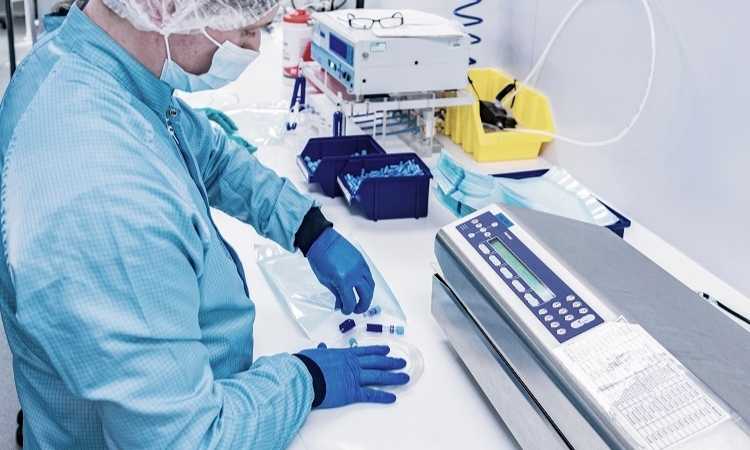
Packaging must maintain sterility through:
- Transport and distribution
- Shelf life
- Clinical handling
Late changes to sterilisation or packaging frequently trigger re‑validation.

Chapter 7: Regulatory pathways (UK, EU, US)
Medical device regulations vary by market.
United Kingdom
- UKCA marking
- MHRA oversight
European Union
- CE marking
- EU MDR compliance
United States
- FDA registration
- 510(k), De Novo, or PMA submissions
Manufacturing documentation plays a critical role in technical files, audits, and ongoing compliance.
Why manufacturing strategy determines device success
More than 70% of lifecycle cost and regulatory risk is determined at the design stage. Manufacturers who integrate DFM, materials, tooling, and validation early achieve:
Faster regulatory approval
Lower unit costs at scale
Reduced quality risk
Stronger supply‑chain resilience
This is why leading OEMs choose partners experienced in both engineering and regulatory compliance, not just production.
How Europlaz supports medical device manufacturing
Europlaz supports medical device programmes across the full manufacturing lifecycle, including:
Design for manufacturability (DFM)
Validated tooling and cleanroom production
Regulatory‑ready manufacturing documentation
Our engineering‑led approach ensures devices are manufacturable, compliant, and scalable, from first approval through full commercial production.
For more information contact us.
Frequently asked questions
What is medical device manufacturing?
Medical device manufacturing is the regulated process of designing, producing, validating, and assembling medical products using controlled materials and validated processes to meet UKCA, CE, and FDA requirements.
Why is medical device manufacturing highly regulated?
Medical devices directly impact patient safety. Regulations ensure devices are manufactured consistently, validated properly, and traceable throughout their lifecycle to minimise clinical and quality risk.
When should manufacturing considerations be introduced in device development?
Manufacturing considerations should begin at the design stage. Early integration of manufacturing strategy reduces redesigns, validation failures, and regulatory delays later in development.
What role does process validation play in medical manufacturing?
Process validation (IQ / OQ / PQ) demonstrates that manufacturing processes consistently produce parts meeting predefined specifications. It is required for regulatory approval and ongoing compliance.
Do all medical devices require cleanroom manufacturing?
Not all devices require cleanrooms, but many do. Cleanroom manufacturing is typically required where bioburden, particulate contamination, or hygiene risk could affect device safety or performance.
How does Design for Manufacturability affect regulatory approval?
DFM directly influences validation success, risk management documentation, and change control after approval. Well‑designed devices are easier to validate and maintain in compliance.
How does Europlaz support medical device manufacturers?
Europlaz supports customers through DFM, medical‑grade injection moulding, cleanroom production, validated tooling, and regulatory‑ready documentation—ensuring scalable and compliant manufacturing.


