
By Katy O’Keeffe, Director, Europlaz
Manufacturing has spent years telling itself the same story: there aren’t enough skilled people. Teams are ageing, fewer young people are entering engineering, and businesses are struggling to recruit.
After more than twenty years working in plastics and manufacturing, I’ve come to a different conclusion.
We don’t have a talent shortage.
We have a modernity problem.
An industry repeating old narratives
With experience comes perspective. Over time, you learn which industry challenges are genuinely new and which ones simply resurface under different names. The so called “talent shortage” falls firmly into the second category.
Having spent years mentoring early career colleagues and working closely with younger professionals, I’ve seen how expectations have shifted. What’s become clear is that young people are not avoiding manufacturing. They simply don’t see themselves reflected in the image we project.
Our external narrative hasn’t kept up with the reality of the industry.
Manufacturing is still often communicated through images of machines, production lines and physically demanding environments. What’s missing are the people, the expertise, and the intellectual challenge behind the work.
Manufacturing today looks very different
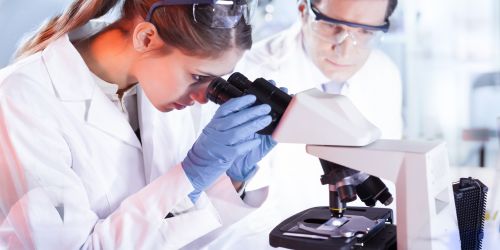
Modern manufacturing has moved a long way from outdated stereotypes. Processes are increasingly automated, data driven and clean. The work is less about physical strain and more about problem solving, creativity and collaboration.
To succeed in manufacturing today, you need technical skill, yes but also emotional intelligence, adaptability and innovative thinking. Yet this rarely comes across in how the sector markets itself to potential talent.
If we want to attract the next generation, we need to start telling a more accurate and compelling story.
A career with real-world impact
Manufacturing is one of the few sectors where you can see the tangible results of your work every day. It offers opportunities that many people don’t realise exist.
Where else can you:
- Develop medical devices that save lives?
- Contribute to renewable energy and sustainability initiatives?
- Create products used by millions of people every day?
- Solve real‑world engineering problems, in real time?
These are the challenges younger generations care deeply about. The problem isn’t interest, it’s awareness.
Culture is the real frontier
Manufacturing will never be a fully remote industry. People need to be on site, collaborating, solving problems and physically making products. That reality can make recruitment harder in a world increasingly focused on flexibility.
But flexibility is only one part of what younger professionals are looking for.
When younger colleagues describe their ideal workplace, salary is rarely their first priority. Instead, they talk about:
• Clear development and progression opportunities
• Collaborative, supportive teams
• The freedom to try new approaches
• Agile decision making and empowerment
• Stability, purpose and meaningful work
Too often, cultural modernisation lags behind technological investment. Even businesses with advanced machinery and systems can still operate with bureaucracy, rigid hierarchies and outdated approaches to communication.
This gap becomes especially visible when it comes to adopting new technologies, including AI. Hesitation here doesn’t just slow progress, it signals mindset. Younger professionals notice that immediately.
To attract talent, we must evolve alongside what we make
If we want to attract and retain talent, cultural evolution has to happen alongside technical capability. Investment in equipment alone isn’t enough. Mindsets, leadership styles and ways of working must modernise too.
Diversity is still a strategic priority
I remember being one of the only women in meetings early in my career. While things have improved over the years, the reality remains that women are significantly underrepresented across engineering, operations and leadership roles in manufacturing.
This isn’t just a morale issue. It’s a strategic one.
Homogenous leadership leads to homogenous thinking and that results in cautious, incremental decisions. At a time when our industry faces rapid change, that approach is a risk.
Younger women entering manufacturing today can thrive, but only if they can see people like themselves progressing and leading. Too often, they can’t.
Designing the future, not defending the past
Manufacturing has already navigated economic uncertainty, supply chain disruption and constant regulatory change. But the next decade will demand even greater agility.
Sustainability, digitisation, energy efficiency and automation are not abstract ideas, they are actively reshaping competitiveness across the sector.
Younger generations want to be part of solving these challenges. They are motivated by meaningful work and long term impact. But they want to join organisations willing to modernise not just their equipment, but their thinking.
The real question isn’t “How do we make young people interested in manufacturing?”
It’s “How do we evolve so the industry reflects their values and aspirations?”
If we get that right, manufacturing can move beyond outdated stereotypes and become one of the most future relevant, resilient and rewarding career paths available.
Careers at Europlaz
If you’re looking for meaningful work, clear development pathways and the chance to make a real impact, Europlaz would love to hear from you.
View our latest careers at Europlaz
Article previously featured in Interplas Insights.