

The point of care diagnostic landscape is undergoing a dramatic transformation
Once confined to centralised laboratories and specialist clinics, point of care diagnostic testing has expanded rapidly into decentralised settings, including pharmacies, workplaces, and even homes. Demand for fast, accessible, and accurate diagnostic devices has never been greater, driven by rising patient expectations, digital health integration, and a heightened focus on preventive care.
Point-of-care (POC) and home testing are at the forefront of this shift. These diagnostic solutions provide faster results, enhance patient engagement, and enable earlier interventions – benefits that resonate with healthcare providers and patients alike.
The market’s growth shows no sign of slowing down, with innovation driving new technologies, regulatory frameworks adapting to accommodate rapid testing, and manufacturers seeking ways to meet evolving demands efficiently.
In this article, we examine key trends shaping point-of-care and home diagnostics, explore what’s driving the growth of this market, and explain how Europlaz is uniquely positioned to support companies in this space through rapid test kit assembly and regulatory expertise.
Exploring diagnostic device production? Speak to our team about rapid assembly and regulatory support.
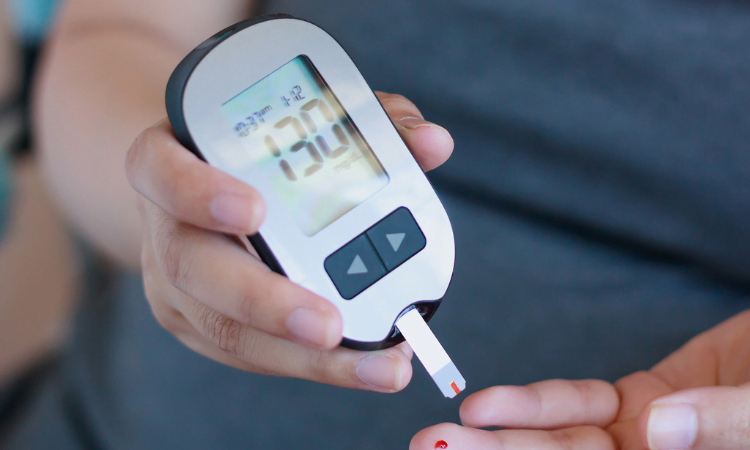


The shift toward decentralised diagnostics
For decades, point of care diagnostic testing primarily took place within central laboratories, with patients waiting days or even weeks for results. However, the COVID-19 pandemic significantly accelerated the decentralisation of diagnostics. Governments, healthcare systems, and consumers all saw the value of rapid test kits that could be administered at the point of care or even at home.
Today, this shift continues as healthcare systems seek ways to alleviate pressure on hospitals and streamline diagnostics. Pharmacies, urgent care centres, and community clinics are increasingly offering rapid tests for conditions ranging from respiratory infections to metabolic disorders and sexually transmitted infections.
At the same time, the home testing market has expanded beyond infectious diseases into areas such as fertility monitoring, cardiovascular risk assessment, and genetic screening.
This movement is underpinned by several forces: technological advances in miniaturised biosensors, improved connectivity with digital health platforms, and a broader societal shift toward personal health management. As regulatory bodies introduce specific guidelines for home-use diagnostics, more manufacturers are entering the space—resulting in fierce competition and rapid innovation cycles.
Speed, accuracy, and user experience: the driving forces
While laboratory testing still plays a critical role in complex diagnostics, many tests no longer require large, centralised facilities. Patients and clinicians now prioritise rapid results, often within minutes, without sacrificing accuracy.
Speed and accuracy go hand in hand in the success of point-of-care and home testing. Users – whether healthcare professionals or consumers – expect point of care diagnostic devices to be simple to use, highly reliable, and capable of delivering fast, actionable results. Advances in lateral flow assays, microfluidics, and molecular diagnostics have made this possible, offering lab-quality sensitivity in compact, affordable formats.
In addition to performance, user experience has emerged as a crucial differentiator. Home testing kits must feature intuitive interfaces, clear instructions, and minimal steps to minimise the risk of user error. This has spurred innovation in device design, packaging, and digital connectivity, with many tests now pairing with smartphone apps for result interpretation and health tracking.
For manufacturers, the challenge is clear: to design and deliver devices that meet these heightened user expectations while complying with stringent regulatory standards and keeping production scalable and cost-effective.
Need assistance scaling your diagnostic product? Contact us for high-precision assembly and packaging solutions.
Navigating regulatory requirements in rapid point of care diagnostics
As the diagnostics market expands, regulatory agencies have intensified their focus on ensuring the safety and efficacy of rapid and home-use tests. Regulatory pathways such as CE marking under the EU’s In Vitro Diagnostic Regulation (IVDR) and Emergency Use Authorisations (EUAs) in some regions provide structured routes for market approval—but they also introduce complexity.
Manufacturers must demonstrate not only clinical performance but also clear usability and reliability under real-world conditions. Home-use devices in particular face rigorous scrutiny around instructions, labelling, and risk mitigation strategies. Demonstrating user comprehension, ease of use, and consistent test accuracy across diverse populations is often required.
In parallel, there is growing pressure to shorten regulatory review times to respond to public health needs. Companies capable of navigating this environment—both technically and operationally—will gain competitive advantages.
Europlaz’s expertise in medical device assembly extends beyond production. Our team collaborates with clients to ensure that manufacturing processes are fully aligned with regulatory expectations, from batch traceability and risk documentation to labelling and packaging that meets international standards.
Where Europlaz fits in: specialist assembly and compliance support
With decades of experience in medical device manufacturing and a strong focus on precision assembly, Europlaz is well positioned to support companies operating in the diagnostic sector.
Our facilities are equipped for rapid test kit assembly under cleanroom conditions, ensuring contamination control and consistent product quality. Whether the requirement is for lateral flow devices, cartridge-based tests, or complex disposable components, we offer the precision and scalability needed to meet tight production deadlines.
Beyond assembly, we support clients with packaging, labelling, and regulatory documentation. Our team works collaboratively with clients to manage process validation, product traceability, and compliance with ISO 13485 and other quality management standards.
This combination of technical capability and regulatory expertise enables our clients to bring innovative diagnostic products to market faster and with greater confidence.
Looking for an assembly partner with proven diagnostic device expertise? Contact us to explore a partnership.
Partnering with experienced contract manufacturers
The future of diagnostics lies in decentralisation, speed, and ease of use. As demand for point-of-care and home testing grows, manufacturers must meet escalating expectations around accuracy, usability, and compliance—while maintaining production agility.
By embracing integrated manufacturing strategies and partnering with experienced contract manufacturers, companies can navigate this fast-evolving market more effectively. Europlaz stands ready to support diagnostic innovators with rapid assembly, precise production, and regulatory alignment to help their products succeed in a competitive landscape.
Ready to bring your diagnostic device to market? Start your project with Europlaz today.

Speed, usability, and regulatory readiness: essential for success
As the diagnostic market continues to evolve, speed, usability, and regulatory readiness are essential for success. Whether you’re developing point-of-care diagnostics or home testing kits, partnering with a specialist in rapid assembly and regulatory support can help you navigate this competitive landscape with confidence.
Speak to Europlaz today about how we can support your diagnostic device project from concept to market.

FAQs for diagnostic devices and point of care testing
Why is the diagnostics market growing so rapidly?
The diagnostics market is experiencing significant growth due to several key factors. Technological advances have made it possible to miniaturise testing devices and improve analytical accuracy, allowing diagnostics to move beyond centralised laboratories into point-of-care settings and homes. The COVID-19 pandemic accelerated this trend by normalising rapid testing.
Today, there is growing consumer demand for quick, accessible health insights, as well as increased interest in preventive healthcare. Together, these factors continue to fuel the market’s rapid expansion.
What makes point-of-care and home testing devices successful?
Successful point-of-care and home testing devices combine several key attributes. They deliver results quickly, often within minutes, while maintaining high levels of accuracy. Additionally, these devices must be easy to use, even for individuals with no medical background. Usability is essential to ensure correct results, and many tests now integrate digital interfaces such as smartphone apps to improve accessibility and user engagement. Regulatory compliance also plays a crucial role, as devices must meet strict safety and effectiveness standards to gain market approval.
What are the main regulatory challenges for rapid diagnostic devices?
Regulatory challenges for rapid diagnostics primarily revolve around demonstrating clinical performance, usability, and consistent quality. Agencies require evidence that devices perform accurately in real-world conditions, including when operated by non-professionals. In addition to clinical data, manufacturers must provide detailed risk assessments, user studies, and robust documentation regarding materials, labelling, and packaging. Regulatory frameworks such as the EU’s IVDR and various emergency authorisation programmes add complexity, requiring deep expertise to navigate effectively.
How does Europlaz support diagnostic device manufacturers?
Europlaz provides specialist assembly, packaging, and regulatory support for diagnostic device manufacturers. We offer cleanroom assembly services for rapid test kits, including lateral flow and cartridge-based devices, with strict contamination controls and precision production processes. In addition, we help clients manage regulatory documentation, process validation, and product traceability, ensuring that devices meet applicable quality standards under ISO 13485. Our collaborative approach enables manufacturers to scale production efficiently while maintaining compliance and market readiness.
Why is rapid test kit assembly expertise critical in this market?
Rapid test kit assembly expertise is essential because these devices require precise, repeatable production processes to function correctly and meet regulatory standards. Small errors in assembly, sealing, or packaging can affect test performance, potentially leading to false results or product recalls. Experienced assembly partners like Europlaz ensure that all components are consistently produced to tight tolerances and assembled under controlled conditions, preserving the integrity and effectiveness of each test kit.

Download our brochure
Curious to learn more? Download our brand-new company brochure to discover how Europlaz is evolving and what it means to you.
Discover Europlaz
Our UK-based ISO 13485 certified and FDA-compliant cacility means that we have complete control of the process, from under one roof. We are flexible, and resourceful, and can take on projects of any size. Our clients range from small start-ups to international blue chip medical device suppliers.


